
Take a Systematic Approach to Analyzing Unstructured Data
Over 100 trillion emails, 150 million blogs, and 25 billion tweets and counting travel the internet. All of the data generated by these are known as unstructured data- also called Big Data. The amount of unstructured data is exploding as customers’ usage of these channels increases. At the same time, data from older channels isn’t going away.
What is your company doing to take a more systematic approach to this type of data? Sorting through and analyzing all of your data, while a daunting task, is not one that can be overlooked. It’s becoming even more important to be able to integrate structured and unstructured data in order to have a holistic view of the customer relationship. Most organizations have started to get a handle on their structured data. Unstructured data remains another story. It is this data that we often find valuable insights into how to remain relevant to customers and prospects.
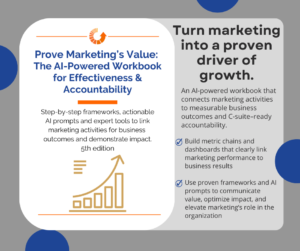
Buy Your Best-Practices Workbook
Make Sense of Unstructured Data
One way to make sense of all the unstructured data is by analyzing sentiments across all of your customer channels (social, mobile, phone, web, etc). Real-time sentiment analysis tools enable you to understand customers’ emotions and tonality and uncover and resolve issues. Sentiment analysis can help uncover individual customers’ issues, as well

as reveal trends and patterns. For example, by tracking keywords and tone used during customer service calls as well as tone and keywords on social networks, you can augment your customer satisfaction survey data to have a more complete picture.
There are other methods, but this is a good starting point for gaining quick wins around your unstructured data.
Create Models to Predict Behavior
Include sentiment analysis in your model development to help with predicting customer and prospect behavior. By analyzing negative versus positive sentiment, you can explore the specific causes of negative feedback, gauge the types of messaging that best resonate, and determine customers’ dislikes and likes.
Creating models takes expertise and more time than we can devote in this one post. Let’s talk about your address, your data, and build your data models.
FAQ:
A: Unstructured data (often labeled “Big Data”) includes content like emails, blogs, social posts, call transcripts, and web interactions. It’s growing rapidly and contains insight organizations miss when they focus only on structured data.
A: You lose visibility into customer sentiment, emerging issues, and the language customers use—signals that often determine relevance, engagement, and retention.
A: Integration creates a more holistic view of the customer relationship—augmenting what you know (structured) with why it’s happening (unstructured).
A: Start with sentiment analysis across customer channels (social, mobile, phone, web) to understand emotion, tone, and recurring themes.
A: Individual customer issues, root causes of dissatisfaction, and broader trends/patterns—especially when paired with keyword tracking.
A: It augments survey data by adding real-world language and context from calls and social channels, producing a more complete picture of experience.
A: Use sentiment as an input to predict behavior—explore drivers of negative feedback, identify messaging that resonates, and map likes/dislikes to likely actions.
A: Building reliable models requires expertise, time, and disciplined data work—so it often makes sense to align on the data sources, objectives, and modeling approach before scaling.
Recent Posts
- Focus on Solving Customer Pain Points to Future-Proof Your Company | What’s Your Edge?
- Customer-Centricity in M&A: The Accelerant for Post-Deal Value
- How Strategic Clarity Drives Growth, Profitability, and Customer Value
- Breaking Through Stagnant Growth with a Customer-Centric, Process-Driven Approach | WYE?
- Why Lack of Accountability is Stalling Your Organization’s Growth


You must be logged in to post a comment.