
Effective skills and knowledge transfer are crucial to better enable organizations to retain their competitiveness and scale profitable growth in ever-changing market conditions. Optimized knowledge and skills transfer:

- Supports ongoing operational excellence (OpEx) improvements across all functional organizations in the business
- Provides inputs to problem-solving
- Improves agility and adaptation in today’s fast-paced business landscape. Enables
- Enables employees to take on new challenges and responsibilities – faster
- Helps individuals and teams stay current and up-to-date on the latest industry developments and best practices.
Ultimately these key 5 elements lead to improved efficiency and productivity, which in turn results in increased competitive advantage and faster and more profitable growth.
Knowledge transfer is the process of disseminating knowledge, skills, and information from one person or group to another. This is what makes it an essential aspect of organizational learning and development. One way to understand the value of knowledge transfer is to think of it as a pipeline. Just as a pipeline brings water from a source to a destination, knowledge transfer brings knowledge from a source (such as an expert or a team) to a destination (such as a new team member or a department). Without the pipeline, the water (or knowledge) would remain stagnant and unusable. Similarly, without effective knowledge transfer, valuable knowledge and skills can be lost or go unused, leading to a lack of progress and competitiveness.
4 Ways Knowledge Transfer Positively Impacts Your Organization
Effective knowledge transfer positively impacts every organization. We believe it delivers these four primary benefits:

- Increased productivity. Effective knowledge transfer can have a positive impact on an organization’s productivity. According to a study by the Massachusetts Institute of Technology (MIT), organizations that effectively transfer knowledge have higher levels of innovation and are more likely to achieve their business goals. This can be attributed to the fact that knowledge transfer helps ensure that the organization has a pool of knowledgeable and skilled employees who can take on new challenges and responsibilities. It also helps individuals and teams stay current and up-to-date on the latest industry developments and best practices, which can lead to improved efficiency and productivity.
- Improved performance and competitiveness. There is evidence to suggest that effective knowledge transfer leads to improved performance and operational excellence. A study by the International Association of Business and Management found that improved performance was a result of effective knowledge transfer and led to increased competitiveness. This is likely due to the fact that it helps organizations stay current and adapt to changing market conditions, as well as foster a culture of continuous learning and improvement.
- Build a culture of learning and continuous improvement. When employees are able to learn from and share their knowledge with others, they are more likely to feel engaged and motivated. This can lead to a positive work environment and increased employee retention, which also contributes to improved productivity. According to KCS Academy, a strong culture of knowledge capture and transfer can improve employee retention by 20-35%.
- Build a strong brand image: A strong brand is an important asset, as it can help attract customers and build loyalty. By transferring knowledge and skills related to brand development and management within an organization, companies can maintain a consistent brand message and identity, which can help differentiate them from their competitors and build trust with customers.
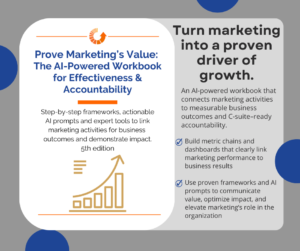
Buy Your Best-Practices Workbook
Four Effective Ways to Implement a Knowledge Transfer Initiative
How can you implement a knowledge transfer initiative? Here are four effective and affordable ways to do so.
- Mentorship. Create a mentorship program, where experienced employees or subject matter experts (SME) are paired with newer employees to provide guidance and support. This can be an effective way to transfer knowledge and skills, as it allows for personalized coaching and the opportunity for hands-on learning.
- Implement technology to facilitate knowledge transfer. This can include tools such as online learning platforms, knowledge management systems, knowledge networks, Q&A forums, and video conferencing software. All of these provide opportunities to create and share resources, such as training materials and videos, and to facilitate virtual collaboration and communication.

- Encourage internal and external knowledge sharing. By creating a culture of open communication and collaboration, employees are more likely to feel comfortable sharing their knowledge and skills with others, therefore supporting operational excellence. This can be accomplished through regular communication and collaboration via team meetings, cross-functional projects, internal informal brown-bag lunches, and community forums. Additionally, industry associations provide new employees with access to established experts in their field.
- Tap external subject matter experts. Many subject matter experts offer advisory and/or coaching services. Leveraging an SME can be an efficient way for existing employees to quickly tap expertise without taxing internal resources that may lack bandwidth. SMEs bring specialized skills, external thinking to the conversation, and access to best practices and methodologies. We’d welcome exploring how we might serve in this capacity for your organization.

The Bottom Line on the Value of Knowledge Transfer
Knowledge transfer is a valuable process that can create tremendous value for your organization by ensuring that your workforce has the capabilities, expertise, flexibility, and resilience to adapt to change and thrive – to beat your competition. Our advice is if this is an initiative you want to tackle then define, develop, and implement knowledge transfer processes designed to help your people and thereby your organization remain current, improve performance and skills, keep your competitiveness and achieve operational excellence.
P.S. Knowledge transfer is a key component of each of our customer engagements. Tap into our expertise with a free, no strings attached 30-minute call.
FAQ:
A1: Knowledge transfer is the process of disseminating knowledge, skills, and information from one person or group to another. It is essential because it preserves and scales the expertise required to remain competitive as markets change. A practical way to understand it is as a pipeline: without a reliable pipeline, knowledge remains trapped with individuals, becomes stagnant, or is lost—slowing progress, weakening operational excellence, and limiting the organization’s ability to adapt.
A2: Effective knowledge and skills transfer supports: ongoing operational excellence (OpEx) improvements across functions, better problem-solving inputs, faster adaptation in dynamic conditions, and faster readiness for employees to take on new responsibilities. These effects compound into improved efficiency and productivity—ultimately increasing competitive advantage and enabling faster, more profitable growth.
A3:
- Increased productivity: Organizations that transfer knowledge effectively tend to have a stronger pool of capable employees and higher innovation—supporting better execution and faster skill ramp.
- Improved performance and competitiveness: Knowledge transfer helps organizations stay current, adapt to market changes, and build repeatable best practices that improve operational excellence.
- A culture of learning and continuous improvement: When knowledge sharing is normalized, engagement and motivation improve, which supports retention and performance.
- A stronger brand image: Internal knowledge transfer around brand development and management helps maintain consistency, build trust, and differentiate in the market.
A4:
- Mentorship: Pair SMEs or experienced employees with newer team members for guided, hands-on learning and faster capability building.
- Technology enablement: Use learning platforms, knowledge management systems, knowledge networks, Q&A forums, and video tools to capture, organize, and share expertise at scale.
- Internal and external knowledge sharing: Create consistent forums—team meetings, cross-functional projects, brown-bag sessions, community discussions—and leverage industry associations to expand access to expertise.
- External subject matter experts: Use SMEs for advisory or coaching to accelerate learning, bring best practices, and add capacity without overloading internal teams.
A5: Knowledge transfer is not a “nice to have”—it is a competitiveness and growth capability. If you want to scale operational excellence, improve agility, and retain the expertise required to thrive through change, define and implement deliberate knowledge transfer processes that keep your people current, capable, and ready to execute.
Recent Posts
- Focus on Solving Customer Pain Points to Future-Proof Your Company | What’s Your Edge?
- Customer-Centricity in M&A: The Accelerant for Post-Deal Value
- How Strategic Clarity Drives Growth, Profitability, and Customer Value
- Breaking Through Stagnant Growth with a Customer-Centric, Process-Driven Approach | WYE?
- Why Lack of Accountability is Stalling Your Organization’s Growth


Leave a Reply
You must be logged in to post a comment.