
Lead Generation remains a top priority for most B2B organizations. And while B2B marketers devote a large portion of their dollars to lead generation and producing sales ready leads, without performance targets, data and analytics, they have a very hard time evaluating the effectiveness of these investments.
A study by MillerPierce found that 50% of Marketing generated leads receive no follow up from the Sales team. Econsultancy found that only about 22% of business are satisfied with their conversion rates. So with all the effort on lead gen, what can Marketing do to help?
Separate the Wheat from the Chaff: Cultivating Sales-Ready Qualified Opportunities
Before we answer this question, here’s a story that might sound familiar.
A vice president of Marketing for a global manufacturing company and I are working on his marketing plan. One of the three primary legs of the plan is demand generation. As we’re talking, he emphasizes how important it will be for his team to produce more marketing qualified opportunities which he and his team refer to as MQLs. I ask him, “How does your organization define an MQL? And “What does an MQL mean to the sales team?”
He takes a moment and says, “A name, a direct number, a position in the company, and in what solution he/she is interested. We then pass this information on to a sales person for that market and product.” I say, “Really? This seems more like contact information that something the sales person can act on.” He replied, “They do seem to have a bit of trouble moving these opportunities forward into the pipeline.”
This story captures the essence of the challenge of defining a sales ready opportunity.
Buy Your Best-Practices Workbook
Defining a Sales Ready Opportunity
What does it mean to an opportunity to be sales-worthy vs. sales ready? While what makes a good lead may vary across businesses and depend on your specific industry, but there is a critical difference between worthy and ready. For this customer, sales-worthy really means a customer who fits the profile and has exhibited behaviors such as visiting the website and subscribing to their newsletter. On the other hand, sales-ready for this VP means opportunities
where a buyer is actually prepared to initiate a purchasing step including a formal quote, formal proposal, or request for trial.
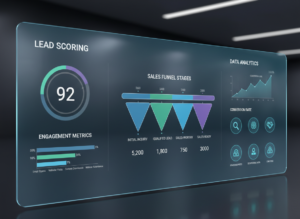
The point is you need to be clear about your definitions and what is worthy vs. ready. If you don’t have lead scoring process, it’s a good idea to create one. It also important to align your scoring process with the customer buying process.
In this instance, the customer then divided sales-worthy into two groups: those that needed further attention from Marketing and those that had demonstrated at least two consideration behaviors such as downloading an application white paper or a video demonstration of the product for a particular application and participating in a lunch and learn workshop.
Qualified Marketing Opportunities: Sales Ready Vs. Sales Worthy
Use these 7 guidelines that can help define a viable sales worthy vs. ready opportunity.
1. Analyze all the leads that have been sent to sales. Organize the leads into at least three buckets, those that were never touched, those that were touched and rejected, and those that have passed into the viable opportunities list. Summarize what the leads in each bucket have in common and review with the sales team.
2. Correctly define a sales ready lead. One of the biggest reasons for the lead leak between sales and marketing is the lack of or poor definitions of the various stages in the buying process. Before generating one more new lead, sales and marketing need to collaboratively develop a set of fit and behavioral (that is observable) definitions for each stage of the buying process.
Fit definitions are generally related to title, size of opportunity, industry, and behavioral definitions are typically related to actions exhibited that indicate where an opportunity is in their buying process.

The behavioral definitions are critical because a good lead for sales is one that is ready to engage in buying. Sales isn’t interested in talking with opportunities in the researching and exploratory phases. They want to engage with opportunities ready to move into the consideration and purchase phases.
3. Verify the definitions and the data. It is one thing to create the definitions it is another to verify they are correct. Review your lead generation data to verify that a) you can collect this type of information needed for each stage and b) you have examples of the behaviors to support your hypotheses. An ideal way to leverage a customer advisory board is to verify these definitions with customers.
4. Establish a lead scoring methodology and a set of thresholds an opportunity must pass before the lead can be passed to sales.
5. Establish an initial response time for leads that are passed and number of follow ups. Once the definitions are agreed upon, and marketing passes only leads that meet the criteria and scoring, set an initial response time that sales agrees to follow up on these leads and how many times the sales team should attempt to make contact.The sooner the better, try to stay within a 48 hour window or less and somewhere between 5-9 attempts.
6. Reporting Back. Without information coming back from Sales, Marketing won’t know where to make adjustments and additional investments. It’s imperative that the sales team report back on the disposition of the leads, preferably in a common system used by both Sales and Marketing.
7. Establish a lead nurturing plan. Leads that meet the criteria but aren’t ready to buy are likely to buy at another time, so it is vital to have a nurturing plan for these opportunities.
Be sure you create a process map and scoring model to support this approach. A facilitated working session is a good starting point for this process.
The customer took three additional steps that helped with this process:
1. Outline the typical steps in chronological order for each buyer persona for each segment. This step also opened up the conversation about buyer personas, something else we needed to address during this process.
2. Discuss where each of the buying steps fit into the customer engagement and decision making process. This was eye opening because it helped him realize how far away what he was collecting was from when the customer was truly ready to engage.
3. Define which behaviors and characteristics determine whether an opportunity was sales-worthy and when it became sales-ready.
Have you had this conversation with your VP Sales? What does it mean for your organization to an opportunity to be sales-worthy vs. sales ready? Share your experience and comments.
FAQ:
A: A sales-worthy opportunity fits the customer profile and shows initial interest (e.g., website visits, newsletter subscriptions). A sales-ready opportunity indicates a buyer prepared to take concrete purchasing steps such as requesting a quote, proposal, or trial.
A: Without clear definitions, Marketing may pass leads that Sales cannot act on effectively, resulting in lost opportunities, wasted resources, and poor conversion rates.
A:
- Analyze leads sent to Sales, categorizing them by status (untouched, rejected, viable) and identify common traits.
- Collaboratively define fit (title, industry, opportunity size) and behavioral (buying process stage) criteria for each pipeline stage.
- Verify definitions and data accuracy using lead generation data and customer advisory boards.
- Develop a lead scoring methodology with clear thresholds for passing leads to Sales.
- Agree on Sales’ initial response time (ideally within 48 hours) and follow-up attempts (5–9 times).
- Implement closed-loop reporting so Sales provides lead disposition feedback to Marketing.
- Establish nurturing plans for leads that meet criteria but are not yet ready to buy.
A: Outlining chronological buying steps for each persona clarifies where engagement fits into decision-making, helping distinguish sales-worthy behaviors from sales-ready actions.
A: Improved lead quality, faster sales cycles, higher conversion rates, better resource allocation, and stronger collaboration between Marketing and Sales.
A: VisionEdge Marketing offers facilitation and advisory services to help you define, score, and manage qualified opportunities that accelerate pipeline velocity and revenue growth.
Recent Posts
- Focus on Solving Customer Pain Points to Future-Proof Your Company | What’s Your Edge?
- Customer-Centricity in M&A: The Accelerant for Post-Deal Value
- How Strategic Clarity Drives Growth, Profitability, and Customer Value
- Breaking Through Stagnant Growth with a Customer-Centric, Process-Driven Approach | WYE?
- Why Lack of Accountability is Stalling Your Organization’s Growth


You must be logged in to post a comment.