

 Can You Reach Your Destination With Your Marketing Plan
The purpose of Marketing plan is simple – to create a navigation and communication tool that serves as a roadmap for finding, keeping and growing the value of customers. Because Marketing is about creating customers, your Marketing plan must be customer centric, that is, it must focus on how to maximize the value to, for, and of customers. Therefore the Marketing plan must be developed with the customer in mind. This means you need some information; information about your customers, your market and competition. So while it may seem that a ready, fire, aim approach is faster, if your resources are limited, you may run of out gas before you reach your destination.
Before you hit the road, make sure your Marketing plan answers these 4 questions
1. Clarify and specify your destination: A meandering Sunday drive can be a fun adventure, but for your Marketing investments to pay off you need to know where do you want to go. How many and which customers do you need to acquire, which customers do you need to keep, which customers can you grow. This step often requires A thorough analysis of the opportunities and challenges facing your business and a good understanding of your existing and prospective customers’ needs and wants.
2. Pick your routing: What is/are the most effective and efficient routes to achieve results and reach your destination. Keep effective in the forefront.
3. Prepare for detours: While we hope for every trip to go smoothly it’s best to be prepared. What obstacles either from customers or competitors could you encounter along the way and how will you overcome these?
4. Resource your journey: What resources do you have and need to make the trip successful? Be sure you have the tools and skills in place before you depart.

Standard Plan Components
When you understand your competition, market, customers, and company you can set a course for maximizing your market opportunities. While there’s no one way to create a plan, like any road map certain elements have come to be relatively standard in a Marketing plan:
- A situational analysis that summarizes the market, industry, competitive, customer and company assessment and provides insight into the actions needed for the organization to capitalize on opportunities and offset challenges
- A set of measurable customer-centric Marketing objectives that are aligned with the organization’s business outcomes Marketing is expected to impact. The objectives in some way reflect how Marketing will positively affect customer acquisition, customer retention, and customer value growth.
- A customer-centric strategy for realizing the objectives.
- Programs and activities with performance targets designed to implement and achieve the strategies and objectives.
- A calendar and budget.
The finished result should be a customer-centric measurable Marketing plan that aligns Marketing with the business outcomes, identifies, your objectives and provides direction for future Marketing efforts that everyone within the organization will understand and support.
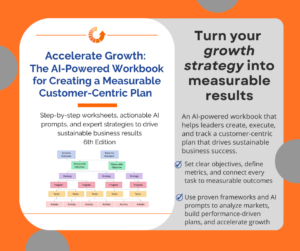
Buy Your Best-Practices Workbook
Read this article to make sure you organize a stand-out Marketing planning session. Better yet contact us to facilitate your session.
FAQ:
A: The Marketing plan serves as a roadmap to find, keep, and grow customer value. It must be customer-centric, focusing on maximizing value to, for, and of customers, and aligning Marketing efforts with business outcomes.
A:
- Clarify your destination: Define which customers to acquire, retain, and grow based on thorough market, customer, and competitive analysis.
- Pick your routing: Identify the most effective and efficient strategies to achieve your objectives.
- Prepare for detours: Anticipate obstacles from customers or competitors and plan how to overcome them.
- Resource your journey: Ensure you have the necessary tools, skills, and budget to execute successfully.
A:
- Situational analysis covering market, industry, competition, customers, and company insights
- Measurable, customer-centric Marketing objectives aligned with business outcomes
- Customer-centric strategies to achieve objectives
- Programs and activities with performance targets
- Calendar and budget for implementation
A: Alignment ensures Marketing efforts directly contribute to organizational success, enabling clear measurement of impact and fostering cross-functional support.
A: The plan should be clear, measurable, and customer-focused, providing direction that everyone understands and supports, facilitating coordinated execution.
A: VisionEdge Marketing offers facilitation services to help you develop standout, customer-centric Marketing plans aligned with your business goals.
Recent Posts
- Focus on Solving Customer Pain Points to Future-Proof Your Company | What’s Your Edge?
- Customer-Centricity in M&A: The Accelerant for Post-Deal Value
- How Strategic Clarity Drives Growth, Profitability, and Customer Value
- Breaking Through Stagnant Growth with a Customer-Centric, Process-Driven Approach | WYE?
- Why Lack of Accountability is Stalling Your Organization’s Growth


You must be logged in to post a comment.