
Introducing a new product is one of the trickiest things a marketer will do. New products have a poor success rate. Only about one in five survive longer than a year, and new product launches are six times more expensive than line extension launches. The result: As many as 95% of new products introduced each year fail, resulting in massive losses

Some of the common reasons for product failure are a result of incomplete homework about the demand, market potential, and clarity around the target market. Understanding the market, opportunity, and creating the demand fall within Marketing’s domain. Once you have this information, the important step in successfully bringing a product to market is your launch plan. A successful launch is about generating sales velocity.
7 Guidelines to Successfully Pull Off a New Product Launch
How do you know if your product launch stands a chance at success? Use these seven guidelines to successfully pull off a new product launch.
- Establish success measures for the product launch: It is important to have a clear idea of how you will measure the success of the launch. Here are two metrics we recommend. If you’re initial plan is to market your new product to existing customers, then establish a specific target rate of adoption of the product by a specific set of existing customers. If your initial plan is to market your new product to new customers, then a rate of adoption by this group or some specific number of new customers who trial the product might be appropriate metrics. The key is to establish how success will be measured as early as possible, preferably as part of the business case for developing the product.
- Formulate a launch strategy: When we are working with companies who are launching a new product, we ask them to share their strategy. Typicall,y what we receive is a launch checklist and a list of activities, such as new content on the website, a press release, etc. A list is not a strategy. There are numerous strategies, for example, bundling, kingpin, tipping point, and more.
- Give the organization time to mobilize: Bringing a major new product to market probably takes more effort than bringing an upgrade or enhancement to an existing product to market. Regardless, in each instance, the organization, whether accounting, customer service, sales, technical support, training, or shipping/deployment, all need to be prepared to support the launch and the interest that follows. Create a detailed timeline and associated milestones associated with the launch. Hold an “all hands on deck” meeting to review the strategy, plan, and timeline at least six months before the launch.
- Train the field: Your sales team needs to be trained about the new product long before the launch. Training includes more than creating a PowerPoint and an email about the new product. Sure, they need to know the features. More importantly, the need to know: Whatt market and customer problems does the product solve
- How it solves these problems better than what’s available today
- Who is most likely to need this solution
- where the product fits with your existing portfolio
- Build the plan around the customer personas and their buying process and journey: Make launch planning decisions and activities based on what’s important to your target users and buyers and how they buy. If the buyers rely on analysts in the selection process, then analyst meetings need to be part of the launch. If this isn’t a resource for buyers but they rely on members in their channel to help them with buying decisions, then this needs to be a key part of your strategy and tactical plan. Learn more about personas and mapping the customer buying journey.
- Inform key stakeholders, including existing customer,s of the plan: All key stakeholders should be informed about the launch, its objectives, strategies, timelines, and how success will be measured. Your existing customers are among your key stakeholde,rs so be sure to keep them in the loop.
- It takes a sponsor and team to launch a product. Generally, a single person cannot successfully manage a launch. Create a team, preferably a cross-functional one with representatives from sales, marketing, customer service, product development, manufacturing, training, etc., to own the launch. If the product is critical to the success of your compan,y then the launch warrants having a member of the executive staff serve as the executive sponsor for the launch.
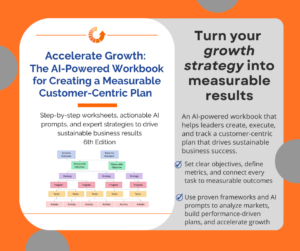
Buy Your Best-Practices Workbook
Invest the time upfront and use these guidelines. Launching a product in the absence of these things will hinder your and the product’s success. If your company doesn’t have extensive experience in launching products, secure expert help. That’s far less expensive than failure.
FAQ:
A: New products have a high failure rate—up to 95% fail within the first year—often due to insufficient market research, unclear target markets, and lack of demand generation planning. Launches are also significantly more expensive than line extensions, increasing risk.
A: Thorough homework on market potential, customer demand, and opportunity is essential. Marketing must lead in understanding the market and creating demand, followed by a well-executed launch plan focused on generating sales velocity.
A:
- Establish success measures: Define clear adoption or trial rate targets for existing or new customers early, ideally as part of the business case.
- Formulate a launch strategy: Develop a strategic approach—not just a checklist—tailored to your product and market dynamics.
- Allow time to mobilize: Prepare all supporting functions (Sales, Customer Service, Operations, etc.) with a detailed timeline and milestones, starting at least six months before launch.
- Train the field: Equip sales teams with deep knowledge of the product’s value, customer problems solved, competitive advantages, and portfolio fit.
- Build around customer personas and buying journeys: Align launch activities with how your target buyers make decisions, including analyst or channel engagement as appropriate.
- Inform key stakeholders: Keep internal teams and existing customers informed about launch plans, objectives, and success metrics.
- Create a cross-functional launch team: Assign ownership across departments and secure executive sponsorship for critical product launches.
A: Executive sponsors provide leadership, resources, and visibility, ensuring alignment and commitment across the organization for a successful launch.
A: If your organization lacks extensive launch experience, engaging experts early can mitigate risks, optimize resources, and increase the likelihood of success—far less costly than failure.
Recent Posts
- Focus on Solving Customer Pain Points to Future-Proof Your Company | What’s Your Edge?
- Customer-Centricity in M&A: The Accelerant for Post-Deal Value
- How Strategic Clarity Drives Growth, Profitability, and Customer Value
- Breaking Through Stagnant Growth with a Customer-Centric, Process-Driven Approach | WYE?
- Why Lack of Accountability is Stalling Your Organization’s Growth


You must be logged in to post a comment.