
When it comes to B2B companies, trust is not merely an added benefit; it is essential. As companies face intricate decisions and form customer-centric partnerships, trust acts as the emotional and strategic foundation that drives growth and helps establish a competitive edge. Trust is the unseen force that binds successful B2B relationships. It reduces risk, encourages collaboration, and supports better decision-making – all which contribute to creating business value.
 Research from Forbes indicates businesses that emphasize trust experience higher customer retention and more productive partnerships. In an environment where uncertainty prevails, trust serves as the stabilizing force that keeps relationships strong and flourishing. This article delves into three ways trust can revolutionize your growth strategies and your marketing and sales tactics, leading to long-term business value and success.
Focus on Reliability, Transparency to Build Trust
Consider a mid-sized tech firm we’ll name TechSolutions. This company is searching for a new network cybersecurity supplier. After an extensive selection process, the search team narrows its choices to two contenders. Both potential suppliers provide similar features and pricing but one supplier, SoftSecure, distinguishes itself. The reason? SoftSecure has earned a reputation for transparency and dependability. It maintains clear communication, sets achievable expectations, and consistently fulfills its commitments. This reliability sways the decision in SoftSecure’s favor, resulting in a successful partnership that advances both companies. From this example, we offer three actionable learnings:
- Assess Your Current Relationships: Take a close look at the trust levels in your existing B2B partnerships. Pinpoint areas where trust can be enhanced.
- Promote Open Communication: Foster a culture of transparent and regular dialog with customers, employees, and members of your ecosystem to cultivate and sustain trust.
- Consistently Deliver: Strive to meet or exceed expectations on a regular basis to reinforce trust.
The Core of Trust Starts with Authentic Branding
The core of your brand lies in the promise you make. By using branding to communicate sincerely, you resonate emotionally with your customers, prospects, and other stakeholders. Genuine branding is an effective way to build trust. A great example of this is Patagonia, which launched the “Don’t Buy This Jacket”  campaign. This initiative encourages customers to consider the environmental impact of their purchases. Through this campaign, Patagonia reinforces its commitment to sustainability while strengthening its brand authenticity.
Harvard Business Review points out how authentic branding can set companies apart in crowded markets. Our blog post on brand authenticity delves deeper into these strategies, highlighting the significance of remaining true to your brand’s fundamental values. Consider these three actionable learnings to create your authentic brand:
- Clarify Your Brand Values: Clearly define your brand’s core values and ensure they are evident in all communications.
- Be Open: Share the story behind your products and services, highlighting challenges and successes to create a sense of authenticity.
- Connect with Your Stakeholders: Make an effort to listen to and engage with your stakeholders, particularly customers and employees, to demonstrate your commitment to their needs.
Shift from Transactional to Personal: Demonstrate Customer-Centricity, See Sales Soar
 Our customers often find themselves in long sales cycles with multiple people involved in the buying journey. Their products are often complex and require a consultative approach. In these instances, trust acts as the key element that transforms connections into lasting commitments. When sales teams focus on building trust, they shift from mere transactions to meaningful relationships, which in turn fosters customer loyalty and encourages repeat business. Techniques like personalized communication and empathetic listening play a crucial role in establishing this trust. Research by Gartner highlights that trust-driven sales strategies can lead to substantial growth, a view that aligns with our perspective on the importance of trust in growing revenue.
We can illustrate this concept with a hypothetical example. Imagine a sales representative from a logistics company, Global Freight, who takes the time to grasp a potential customer’s specific challenges and requirements. The salesperson recommends a customized solution that addresses all their concerns and meets their key buying criteria. The prospect feels the sales representative genuinely cares about their success. This sales representative laid the groundwork for trust and secured the deal. We can derive three actionable learnings from this example:
- Customize Customer Interactions and Touchpoints: Adjust your communication and solutions to meet the specific needs of each customer.
- Engage in Empathetic Listening: Show genuine interest in grasping your clients’ challenges and goals.
- Honor Your Commitments: Ensure any promises made during the sales process are kept to build trust.
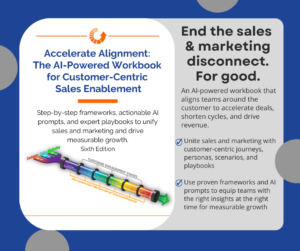
Buy Your Best-Practices Workbook
Use Trust to Build Loyalty, Experience Awesome Growth
Most of our customers face a competitive market. If that’s true for you, trust can serve as your strategic differentiator. Companies that integrate trust into their customer experience strategies distinguish themselves and cultivate enduring loyalty. By prioritizing trust, you can improve customer retention and stimulate growth. We offer insights on how developing a customer relationship strategy creates customer and business value.
We can turn to Zappos for an example. Zappos has set itself apart in the competitive e-commerce landscape via its outstanding customer service and dedication to customer satisfaction. As a result, the company has cultivated a loyal customer base and established a standard for others to emulate. The Zappos example offers three actionable learnings:
- Embed Trust in Customer Experience: Incorporate trust-building initiatives at every stage of the customer journey.
- Leverage Customer Testimonials: Highlight positive customer experiences to enhance credibility and trust with potential clients.
- Continuously Improve: Regularly evaluate and refine your trust-building strategies to stay ahead of the competition.
 Embrace the Trust Revolution to Create Enduring Business Value
 Embrace the Trust Revolution to Create Enduring Business Value
 By incorporating trust into your strategies, you can open up new paths for success and sustainability. Trust is the currency of the future, and those who prioritize it will reap the rewards. If you’re prepared to harness the power of trust for your business growth, let’s discuss how to use data-driven insights and customer-centric strategies.
FAQ:
A1: In B2B, trust is both an emotional and strategic asset. It reduces perceived risk in complex decisions, enables collaboration across long sales cycles, and strengthens customer-centric partnerships that drive long-term business value. Trust is the stabilizing force in uncertain environments: it improves retention, accelerates decision-making, and creates a competitive edge that is difficult for competitors to replicate through features or price alone.
A2: Reliability and transparency create confidence—buyers choose partners they believe will do what they say, when they say, with no surprises. In practice, trust is built through clear communication, achievable expectations, and consistent delivery. Three actionable steps:
- Assess current relationships: Identify where trust is strong and where it is fragile across customers, partners, and internal teams.
- Promote open communication: Establish regular, transparent dialogue to reduce uncertainty and prevent misalignment.
- Consistently deliver: Meet or exceed commitments repeatedly; consistency is what converts credibility into trust.
A3: Trust begins with the brand promise—and whether the organization consistently honors it. Authentic branding builds trust because it communicates values sincerely and demonstrates integrity through action. In crowded markets, authenticity becomes a differentiator because it signals predictability and principle, not just marketing polish. Three actionable steps:
- Clarify brand values: Define what you stand for and ensure it shows up in messaging and decisions.
- Be open: Share the story behind your products and services, including trade-offs and lessons learned.
- Connect with stakeholders: Listen and engage with customers and employees to demonstrate commitment to their needs and outcomes.
A4: In complex B2B buying journeys, trust is what turns interest into commitment. When sales teams lead with customer-centricity—personalized communication, empathetic listening, and consultative problem-solving—they reduce buyer defensiveness and increase confidence. Three actionable steps:
- Customize interactions and touchpoints: Tailor communication and solutions to the customer’s context and criteria.
- Practice empathetic listening: Demonstrate genuine understanding of challenges, constraints, and goals.
- Honor commitments: Keep every promise made during the sales process; trust is built (or broken) in follow-through.
A5: Trust is a strategic differentiator. When you operationalize reliability, transparency, authentic branding, and customer-centric selling, you build loyalty that competitors cannot easily erode. The result is stronger retention, more productive partnerships, and growth that is driven by confidence—not constant discounting or persuasion.
Recent Posts
- Focus on Solving Customer Pain Points to Future-Proof Your Company | What’s Your Edge?
- Customer-Centricity in M&A: The Accelerant for Post-Deal Value
- How Strategic Clarity Drives Growth, Profitability, and Customer Value
- Breaking Through Stagnant Growth with a Customer-Centric, Process-Driven Approach | WYE?
- Why Lack of Accountability is Stalling Your Organization’s Growth


 Customer-centricity is the Only Way to achieve sustainable, profitable growth.
Leave a Reply
You must be logged in to post a comment.