
Podcast: Play in new window | Download (Duration: 12:07 — 6.6MB) | Embed
Scaling a business is the focus of this episode of What’s Your Edge? Scaling, regardless of the company stage, has been a recurring topic in many of our customer, partner, and prospect conversations of late. We, too, have been exploring how to scale, which is why we launched our online store. Scaling a business is often compared to climbing a mountain, and for good reason. Both endeavors require perseverance, dedication, a willingness to take risks, and performance management. In this episode, we’ll explore seven success factors for scaling, with particular emphasis on planning, preparation, technology, guide,s and sherpas.

Scaling your business allows for increased revenue without a proportional increase in costs. In other words, it’s about achieving organic growth without sacrificing profitability or performance. Scaling, however, doesn’t come for free. It requires significant financial investment. And it can be particularly challenging because it often involves expanding into new markets, developing new products or services, and managing larger teams. All of these initiatives require investment and make it difficult to maintain the momentum needed to achieve success.
Why is scaling important? Here are several reasons. It:
- Allows your business to increase revenue, performance, and profitability, which is crucial for long-term success.
- Helps your business stay ahead of the competition.
- Enables your business to offer more to your customers than your competitors can.
On thought we want you to keep in mind given the current economic environment is that scaling can be about climbing up as well as down. Should demand decline or there are fundamental shifts in the economy, scaling is important. In either instance, scaling your business can be a difficult and sometimes treacherous journey. With the right approach and a willingness to learn from mistakes, it is possible to reach the summit or manage a descent in way that achieves success.

The 7 Best Mountaineering Tips to Scale Confidently
Climbing is fraught with obstacles, including treacherous terrain riddled with competitive predators, unexpected market and economic conditions, and team exhaustion. We can apply seven success factors for mountain climbing to any business that wants to scale.
- Set a clear outcome: Just like a mountain climber needs to have a clear vision and a well-defined success outcome, scaling requires a clear vision and an outcome that is specific, measurable, and achievable. Vision and outcomes guide your decision-making and ensure that everyone in your organization is properly mobilized to achieve the result.
- Assess the terrain: Before climbing, a climber does their research about the mountain – everything from gathering information about the mountain terrain itself as well as the surrounding area, weather conditions, and any dangerous animals and plant life. In the business world, this translates to conducting research and assessing the market and competitive environment.
- Assemble the right team with the right skills: Mountain climbing and scaling most often require a team effort. To successfully scale you may need to recruit different people, work with the right partners, and build a strong network. It is important to hire and contract people with the skills you need to thrive, and who can work together to achieve your outcome. When scaling a business, a board of directors can be likened to a team of experienced mountain guides and sherpas who can help you navigate the terrain and provide valuable guidance and support to reach your destination safely. Leverage your board’s collective expertise and experience to help you make informed decisions and avoid potential pitfalls.

- Develop a plan: A mountain climber needs a detailed plan that outlines each step of the route they intend to take. Climbers consider various scenarios they might encounter and develop contingency plans in case of one of these scenarios emerges. Be sure you have a detailed plan that outlines each step of the scaling process, including contingency plans in case of unexpected obstacles.
- Take calculated risks: Mountain climbing involves taking calculated risks informed by data and experience. Scaling your business also involves taking calculated risks. Collect and analyze data that will help you weigh the potential benefits against the potential risks to inform major decisions.
- Establish performance targets and monitor progress: Mountain climbers set milestones for each part of the climb, monitor their progress, and adjust their plan accordingly. The same applies to business. Set clear performance targets for each stage of your climb.
- Stay focused: Both mountain climbing and scaling a business require a great deal of focus, resilience, and perseverance. It is important to stay committed to the outcome and keep moving forward, even when the going gets tough. Trying to do too many things at once can be overwhelming and can lead to a loss of focus. When scaling your business, start with your core strengths and build from there. This could be your success with a set of products or in a particular market.

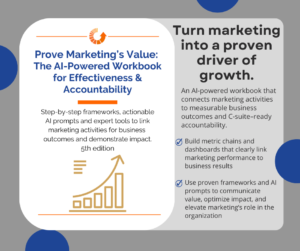
Buy Your Best-Practices Workbook
How to Avoid the Need for a Mountain Rescue: 3 Factors
Many factors contribute to scaling success; there are three, however, that are critical for a successful climb: 1) your plan and preparation, 2) gear and equipment, and 3) sherpas and guides. These three deserve a deeper dive; otherwise, your climb will face extreme difficulty.
Your plan and preparation: Climbing a mountain requires careful planning and preparation. This includes researching the mountain and its conditions, developing a detailed itinerary, and ensuring that all necessary permits and equipment are in place. It also involves physical training to build strength and endurance, as well as mental preparation to manage the stress and uncertainty of climbing. 
Scaling your business requires a well-thought-out strategy and the ability to adapt to changing circumstances.
Before you try to scale, create your plan.
A business scaling plan is different from a business plan in that it specifically focuses on the strategies and tactics that a business will use to scale after it has already established itself. A traditional business plan typically outlines the overall business concept, target market, financial projections, and other key elements. A scaling plan is more focused on the next phase of the organization’s life stage, ideally growth and expansion.
The market analysis for scaling typically focuses on existing markets to identify new opportunities for success. Marketing, sales, and operations efforts address optimizing and expanding strategies and existing operations and logistics to drive customer growth and support expansion.
As with any plan, the scaling business plan should be a comprehensive roadmap that outlines the specific strategies and tactics that your business will use to achieve its growth goals.

Gear and equipment: Mountain climbers know that the right gear and equipment can make the difference between success and failure. This can include the right technology, processes, and systems.
Technology can be a powerful tool. It can help streamline processes, improve efficiency, and provide valuable data insights. The key is to identify the areas that will benefit most from the scaling initiative and then invest in the right tools and resources.
These three technologies are fundamental because of their overall impact on processes and business sustainability.
- Customer Relationship Management (CRM) software: This technology helps businesses manage their interactions with customers and prospects, track sales and marketing efforts, and analyze data to improve customer engagement. As a business evolves, managing customer relationships becomes increasingly important, and a CRM system can help streamline these processes.
- Cloud computing: This technology allows businesses to store and access data and applications over the internet, rather than on local servers or computers. This can be particularly helpful for scaling businesses, as it allows them to quickly and easily expand or contract their infrastructure as needed. According to a report by Cisco, “cloud computing has become an essential technology for business growth, as it enables companies to scale up and down quickly, be more agile, and reduce IT costs.”
- Marketing automation software: This technology can help businesses streamline their marketing processes and scale their marketing efforts. They can automate tasks such as email marketing, opportunity nurturing, and social media management, allowing businesses to focus on other areas.
Guides and Sherpas: Experienced Sherpas and guides are critical for a successful mountain climb. They provide essential support and guidance to climbers, including route planning, navigation, and technical assistance. They are also trained in mountain rescue techniques and can provide emergency assistance if needed. In the world of business, your board of directors serves in this capacity. Just like a mountain guide who can help you choose the best route to the destination, a board of directors can help you develop a clear strategy for scaling your business. They can offer insights and perspectives that you may not have considered, and help you identify potential opportunities and risks.

In addition to providing strategic guidance, a board of directors can help you build a strong team. They can provide advice and support when it comes to hiring and retaining top talent, and can help you create a culture of excellence and innovation within your organization.
Finally, a board of directors can help you navigate the complexities of scaling a business by providing accountability and oversight. Just like a mountain guide who can help you stay on track and avoid treacherous terrain, a board of directors can help you stay focused on your goals and ensure that you’re making progress toward them.
These three factors in particular help climbers to mitigate risks and overcome challenges on the mountain. And they will help you scale.
Your Scaling and Growth Success Hinges on Product Adoption
Scaling is about increasing revenue without sacrificing profit and adding costs. Just as a climber needs climbing skills, a plan, equipment, a team, and a basecamp for support, a company needs a market-worthy product to support its scaling efforts. Success hinges on how well what your produce, that is your product and/or services, market and sell, is adopted. Product adoption is a key performance indicator (KPI) for any organization that wants to scale.
Without rapid product adoption, a company may struggle to scale and will certainly struggle to achieve significant growth. Here are three ways in which rapid product adoption can support a company’s scaling efforts.
- When more people adopt a company’s product, the company can generate more revenue, performance, and profitability, which can fuel further investments.
- Higher product adoption rates can lead to increased brand recognition, enabling a company to retain customers and attract new customers, thereby gaining a larger share of the market.
- Higher levels of product adoption can lead to economies of scale, which can lower production or utilization costs, resulting in increased efficiency and profitability.
Rapid product adoption is the foundation for performance growth and the support of a company’s scaling efforts.
Scaling can be both a challenging and rewarding experience, much like climbing a mountain and enjoying the vast view. And like scaling a mountain, scaling a business comes with risk. With careful planning, a clear vision and outcome, good equipment, a strong team, excellent guides, and a willingness to take calculated risks, you can successfully scale your business and achieve your business performance goals.
Let’s talk about how to effectively scale your business by booking a meeting or emailing me directly. laurap@visionedgemarketing.com
FAQ:
A1: Scaling means increasing revenue without a proportional increase in costs—growing organically while protecting profitability and performance. It matters because scaling is how you stay ahead of competitors and offer more value to customers. In today’s environment, scaling also includes the ability to scale down intelligently if demand declines or conditions shift—protecting resilience, cash, and long-term viability.
A2: Because both require perseverance, preparation, calculated risk-taking, and performance management. The terrain is unpredictable—competitive pressure, market shifts, and team fatigue can derail progress. Success depends on having a clear destination, the right route, the right gear, and the discipline to monitor progress and adjust.
A3:
- Set a clear outcome: Define a measurable, achievable outcome that mobilizes the organization.
- Assess the terrain: Research the market, competitors, and ecosystem conditions before expanding.
- Assemble the right team and skills: Hire, partner, and build networks aligned to the scaling outcome; leverage board expertise as “guides and sherpas.”
- Develop a plan: Create a detailed scaling plan with contingencies for obstacles and setbacks.
- Take calculated risks: Use data to weigh benefits versus risks and make informed bets.
- Establish performance targets and monitor progress: Set milestones, track progress, and adjust course as needed.
- Stay focused: Build from core strengths; avoid trying to scale too many initiatives at once.
A4:
- Plan and preparation: A scaling plan is distinct from a traditional business plan; it focuses on the next phase—growth and expansion—using strategies and tactics to optimize and extend what already works, with scenario planning built in.
- Gear and equipment (technology, processes, systems): Invest where it will streamline work, improve efficiency, and increase insight. Three foundational technologies often include:
- CRM to manage customer/prospect interactions and improve engagement
- Cloud computing to scale infrastructure up or down quickly and reduce IT burden
- Marketing automation to scale nurture, email, and campaign execution
- Guides and sherpas: Your board (and other experienced advisors) provides route guidance, risk identification, talent counsel, and accountability—helping you avoid treacherous terrain and stay on course.
A5: Product adoption. Scaling depends on how well your solutions are adopted in the market. Rapid adoption fuels revenue and reinvestment, increases brand recognition and market share, and creates economies of scale that improve efficiency and profitability. Without adoption, scaling stalls—regardless of how strong the plan or technology stack appears.
A6: Scaling is a disciplined climb. Define the outcome, assess the terrain, build the right team, create a scaling plan with contingencies, invest in the right “gear,” leverage experienced guides, and manage performance like a GPS. Above all, prioritize product adoption—because it is the foundation that makes scaling financially possible.
Recent Posts
- From Hindsight to Foresight: Closing the Growth Measurement Gap
- Focus on Solving Customer Pain Points to Future-Proof Your Company | What’s Your Edge?
- The Destiny of Siloed Priorities is Random Acts
- The Power of Customer-Led Product Development for Market Growth | What’s Your Edge?
- Footprint Expansion: A Customer-Centric Growth Strategy for Scaling


Leave a Reply
You must be logged in to post a comment.